
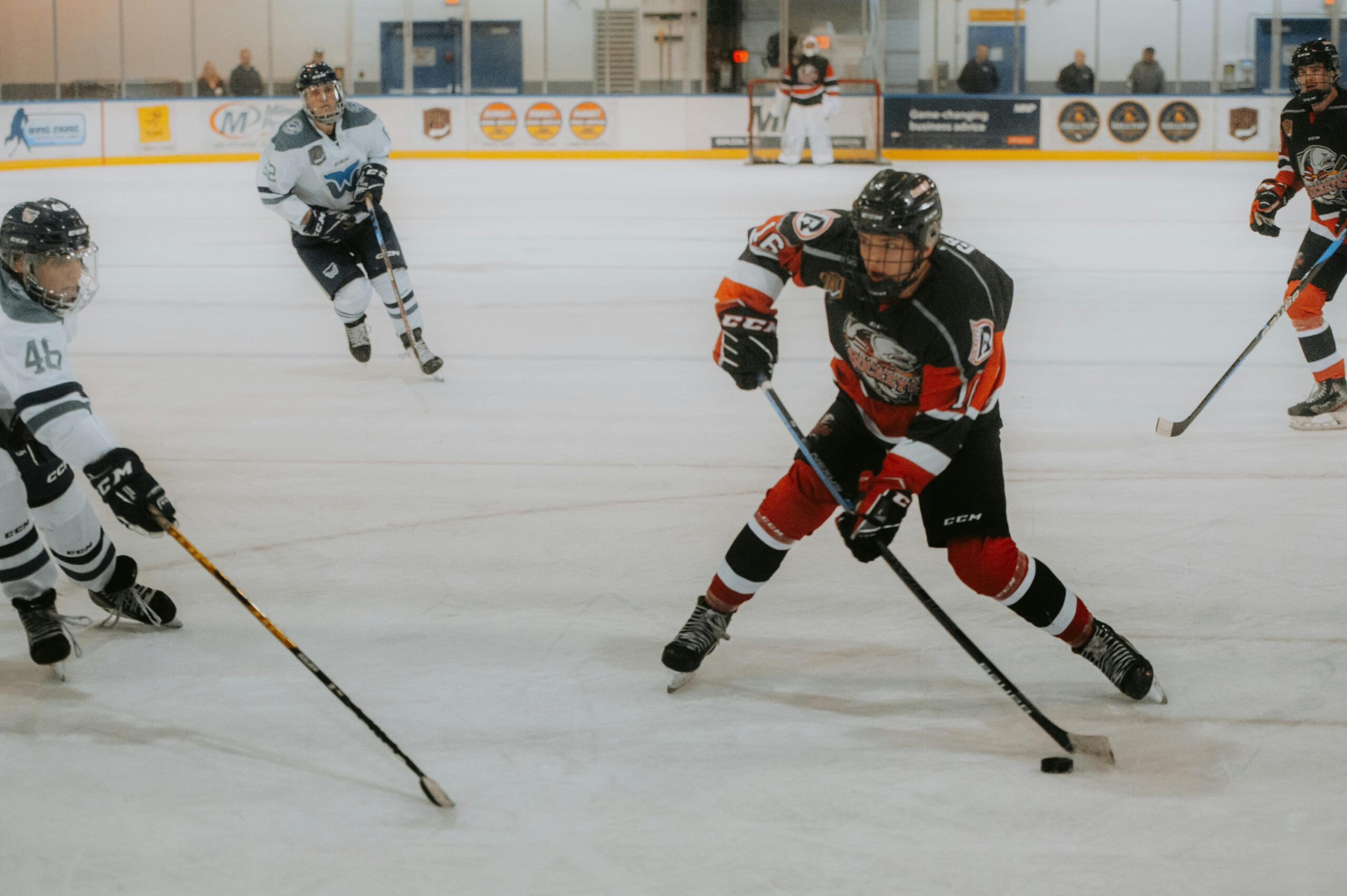
Youth Hockey Gear Checklist for Beginners
Starting youth hockey is exciting — and overwhelming. Between rink time, team sign-ups, and learning the rules, one of the biggest stress points for parents is figuring out what hockey gear their child actually needs.
This guide is designed to make that process simple.
Whether your child is stepping onto the ice for the first time or joining a beginner league, this youth hockey gear checklist walks you through everything parents need to know — what’s required, what’s optional, how to prioritize safety, and how to avoid overspending.
No jargon. No pressure. Just clear, parent-friendly guidance.
Why Youth Hockey Gear Matters So Much
Hockey is a fast, physical sport — even at the beginner level. Proper gear isn’t about performance or competition; it’s about:
- Safety – protecting growing bodies
- Comfort – helping kids enjoy learning
- Confidence – reducing fear on the ice
Well-fitting, beginner-appropriate gear allows kids to focus on skating, learning skills, and having fun — not discomfort or frustration.
The Complete Youth Hockey Gear Checklist (Quick Overview)
Here’s the full list. We’ll break each item down in detail below.
Required Gear for Beginner Youth Hockey
- Hockey helmet (with cage or full face mask)
- Hockey skates
- Shoulder pads
- Elbow pads
- Hockey gloves
- Shin guards
- Protective shorts (jock or jill)
- Hockey stick
- Hockey socks
- Practice jersey
- Mouthguard (recommended by many leagues)
Helpful Accessories
- Skate guards
- Water bottle
- Hockey tape
- Equipment bag
- Base layers
Not everything needs to be top-of-the-line. In fact, beginner players often do best with simple, comfortable, and affordable gear.
Helmet (Most Important Piece)
If there’s one item you should never compromise on, it’s the helmet.
What Parents Should Know
- Youth hockey helmets must be HECC certified
- Helmets should fit snugly without pressure points
- A full cage or face mask is required for most youth leagues
A helmet that’s too loose won’t protect properly. One that’s too tight will quickly become uncomfortable — and kids won’t want to wear it.
Parent Tip
Avoid used helmets unless you know their full history. Helmets are designed to absorb impact, and sometimes damage isn’t always visible in pre-owned gear.
Hockey Skates (Comfort Over Performance)
Skates are often the most intimidating purchase for parents — sizing can be confusing, and prices vary widely.
Beginner Skate Priorities
- Proper fit (not too big “to grow into”)
- Good ankle support
- Comfortable padding
Advanced features aren’t necessary for beginners. A comfortable, supportive skate helps kids learn balance and confidence much faster than a stiff, high-performance model.
Shoulder Pads
Youth shoulder pads protect the chest, shoulders, and upper spine.
What to Look For
- Full chest coverage
- Adjustable straps
- Lightweight design
For beginners, mobility matters more than bulk. Pads should protect without restricting movement.
Elbow Pads
Elbow pads protect against falls and collisions with the ice or boards.
Fit Matters
- Elbow should sit centered in the pad
- Straps should secure the pad without cutting off circulation
- Pads shouldn’t slide when arms move
Kids fall a lot when learning — good elbow pads make a big difference in comfort and confidence.
Hockey Gloves
Gloves protect hands and wrists while allowing stick control.
Beginner-Friendly Features
- Soft, flexible feel
- Proper length covering the wrist
- Easy to open and close
Overly stiff gloves can make it harder for kids to grip the stick properly.
Shin Guards
Shin guards protect the lower legs and knees from pucks, sticks, and falls.
How They Should Fit
- Knee sits in the center of the knee cup
- Guard covers down to the top of the skate
- Doesn’t dig into the back of the leg
Shin guards are one area where proper sizing really matters for safety.
Protective Shorts (Jock or Jill)
Often overlooked, protective shorts are essential.
Why They Matter
- Protect hips, tailbone, and groin
- Provide a secure place for shin guard straps
- Add confidence during falls
Most leagues require a jock (boys) or jill (girls) with built-in protection.
Hockey Stick (Simple Is Better)
For beginners, stick selection should be simple.
What Parents Should Focus On
- Correct height
- Lightweight feel
- Basic flex (not too stiff)
Don’t overthink curves, kick points, or advanced features. Kids outgrow sticks quickly, and basic models work perfectly for learning fundamentals.
Hockey Socks & Practice Jersey
These may seem minor, but they’re required for practices and games.
- Hockey socks go over shin guards
- Practice jerseys are often provided by teams, but having an extra is helpful
They don’t need to be expensive — just functional and comfortable.
Mouthguard (League Dependent)
Some youth leagues require mouthguards, while others strongly recommend them.
Even when optional, mouthguards:
- Protect teeth
- Reduce injury risk
- Encourage safe habits early
Helpful Hockey Accessories for Beginners
These items aren’t always required, but they make life easier:
Skate Guards
Protect skate blades when walking off the ice.
Water Bottle
Hockey practices are intense — hydration matters.
Hockey Tape
Used for sticks and shin guards.
Equipment Bag
Keeps everything in one place and makes transport easier.
Base Layers
Help with warmth and comfort under gear.
How Much Does Youth Hockey Gear Cost?
Costs vary, but here’s a general beginner range:
- Entry-level full gear: moderate
- Accessories: low cost
- Skates and helmet: largest investments
Many families save money by:
- Buying beginner-level gear
- Avoiding unnecessary upgrades
- Using trusted recommendations
If you’re unsure what equipment is actually required, this guide breaks down what hockey gear kids actually need before you buy anything.
Is Used Youth Hockey Gear Safe?
Used gear can be a smart option — with limits.
Generally OK Used
- Gloves
- Pants
- Shoulder pads
- Elbow pads
Buy New When Possible
- Helmets
- Mouthguards
- Protective cups
Safety certifications and fit should always come first.
Common Youth Hockey Gear Mistakes Parents Make
Avoid these common pitfalls:
- Buying oversized gear “to grow into”
- Overpaying for advanced features
- Skipping proper fitting
- Forgetting required accessories
- Buying everything at once without guidance
Starting simple is usually the best approach.
Final Thoughts: Keep It Simple
Youth hockey should be fun, not stressful.
The right gear:
- Protects your child
- Builds confidence
- Makes learning enjoyable
You don’t need professional-level equipment to get started. Focus on safety, fit, and comfort, and let skills develop over time.
Next Steps
To make things even easier, we recommend:
- Reviewing our Recommended Youth Hockey Gear Picks
- Using our sizing guides for proper fit
- Bookmarking this checklist before your first rink visit
RinkBuddies is here to help families feel confident — every step of the way.
Youth Hockey Gear FAQ
Q: What gear does a child need to start hockey?
Beginners typically need a helmet, skates, gloves, pads, a stick, and protective gear designed for youth players.
Q: Is youth hockey gear expensive?
Costs vary, but starter gear can be affordable with the right guidance and recommendations.
Q: Can kids use used hockey gear?
Some used gear is safe, but helmets and protective items should always meet safety standards.
Q: How do I know if hockey gear fits my child correctly?
Proper fit depends on size, comfort, and safety guidelines specific to each piece of gear.