
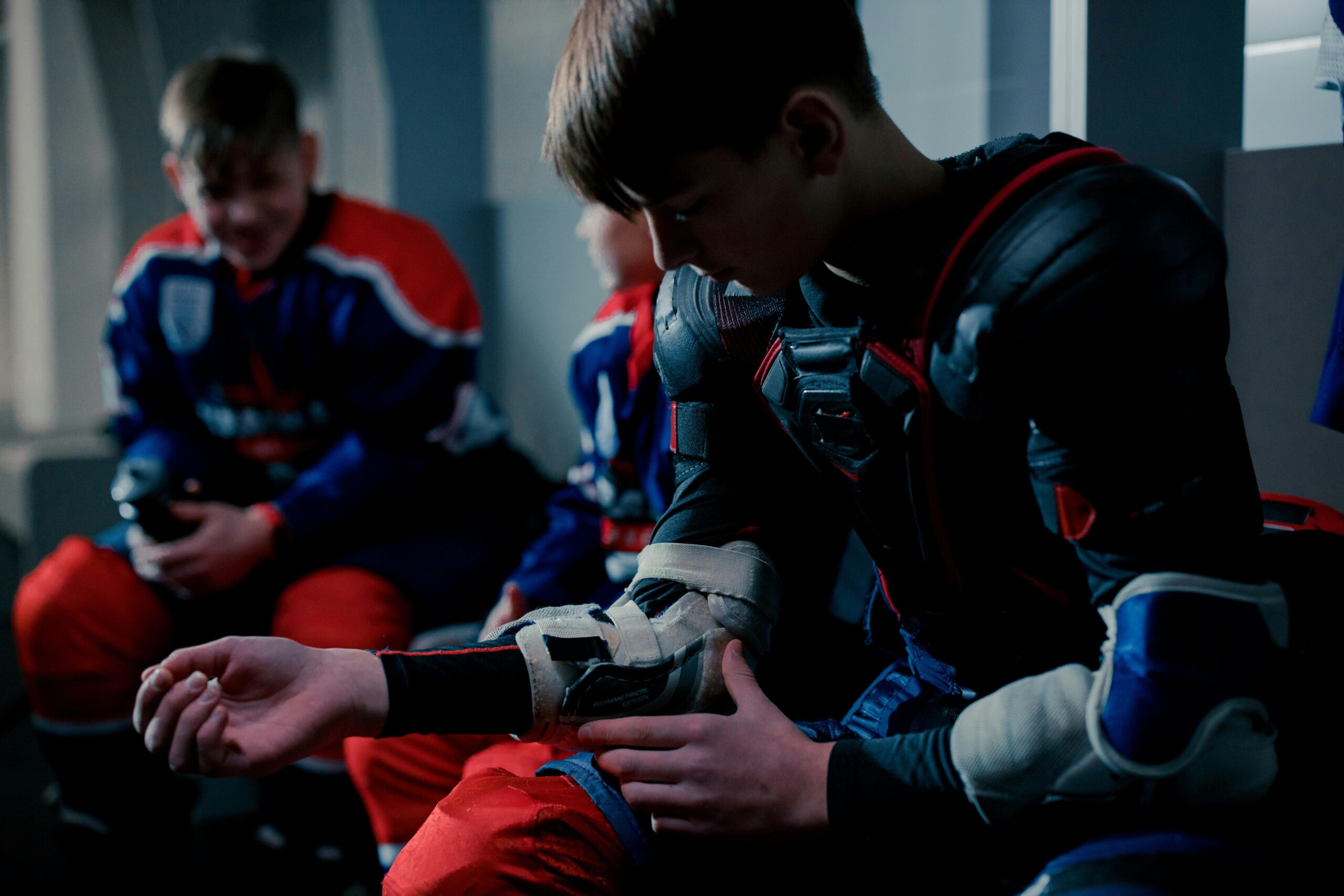
What Hockey Gear Do Kids Actually Need?
If you’re new to youth hockey, one of the most confusing questions parents face is what hockey gear kids actually need to get started safely and confidently. Between online checklists, sporting goods stores, and advice from other parents, it’s easy to feel unsure whether you’re missing something important—or being pushed to buy more than your child really needs.
This guide breaks down which youth hockey gear is truly required for beginners, what’s commonly recommended, and what can safely wait — so you can make confident decisions without overspending.
Hockey Gear Kids Actually Need to Start Youth Hockey
Youth hockey gear really comes down to two things:
- Keeping kids safe
- Keeping them comfortable while they learn
For beginners, the priority is simple: choose gear that fits well and offers solid protection. Advanced features, pro‑level materials, and high‑end upgrades don’t matter at this stage — comfort and confidence matter far more.
If you want a quick overview of everything your player needs, start with our Youth Hockey Gear Checklist for Beginners. It covers every essential item in one place.
Below, you’ll find a simple breakdown of each piece of gear and why it matters for new players.
Required Youth Hockey Gear (Beginner Level)
Most youth leagues require the following gear for practices and games.
Hockey Helmet (with Cage or Full Face Mask)
A hockey helmet is the most important piece of protective gear your child will wear. Most leagues follow USA Hockey equipment requirements, which outline mandatory safety standards for players under 18. These rules exist for good reason—beginners fall often, skate into traffic, and are still learning how to control their sticks.
A properly fitted helmet protects against:
- Falls and collisions
- Accidental contact with sticks or pucks
- Impacts to the jaw, face, and teeth when paired with a cage or mask
When choosing a helmet, make sure it:
- Is HECC certified
- Fits snugly without pressure points
- Includes a full cage or full face mask
Helmets protect against falls, collisions, and accidental contact with sticks or pucks. For safety reasons, it’s best to buy helmets new or from a trusted source.
Hockey Skates
Hockey skates are one of the most important pieces of equipment for young players, and choosing the right pair can make a huge difference in early skill development. Beginners don’t need high‑end or ultra‑stiff models—what matters most is a proper fit and solid ankle support. Well‑fitted youth hockey skates help kids balance, build confidence, and learn correct skating mechanics, while poorly fitting skates can slow progress and increase the risk of injury.
When selecting beginner hockey skates, focus on:
- Proper fit — snug, not oversized
- Strong ankle support — helps with balance and stability
- Overall comfort — reduces fatigue and encourages longer practice sessions
Skates that are too large, too stiff, or uncomfortable can make learning much harder. The right pair of youth hockey skates gives beginners the support they need to feel steady on the ice and develop strong skating fundamentals from day one.
For guidance on sizing youth skates, see the Pure Hockey youth skate fit guide.
Shoulder Pads
Shoulder pads play a huge role in keeping young players safe on the ice. At the beginner level, kids are still learning to balance, fall, and navigate contact, so reliable protection for the upper body is essential. Quality youth shoulder pads absorb impact from bumps, falls, and accidental collisions—common parts of early hockey.
Shoulder pads are specifically designed to protect:
- Chest
- Shoulders
- Upper spine
For new players, lightweight shoulder pads are the best choice. They offer solid protection without restricting movement, helping kids skate confidently as they learn the basics. There’s no need for bulky, high‑end pads yet—comfort, mobility, and proper fit matter far more at this stage.
Elbow Pads
Elbow pads are a key piece of youth hockey gear, especially for beginners who spend a lot of time learning balance and edge control. Early on, kids fall frequently—and those falls often land directly on the elbows. Quality elbow pads help absorb impact, prevent bruising, and protect the joint from hard ice and accidental contact with sticks or other players.
Well-fitted elbow pads should:
- Sit centered on the elbow for full coverage
- Stay in place during movement without sliding
- Feel secure but not restrictive, allowing natural arm motion
Because young players hit the ice often while learning to skate, elbow pads provide comfort and confidence. They let kids focus on improving their skills instead of worrying about painful falls, making them an essential part of any beginner’s hockey gear setup.
Hockey Gloves
Hockey gloves are an essential part of youth hockey gear, protecting a child’s hands and wrists from sticks, pucks, and accidental contact while still allowing a secure, comfortable grip on the stick. For beginners, the right pair of gloves can make early stick‑handling feel easier and more natural, helping young players build confidence as they learn the basics.
Beginner hockey gloves should:
- Be flexible for easy movement
- Allow a comfortable, secure grip on the stick
- Provide proper wrist coverage for added protection
Overly stiff or bulky gloves can make it harder for kids to control the stick and develop good handling habits. A well‑fitted, flexible pair of youth hockey gloves gives beginners the protection they need without limiting mobility, making them a key part of any starter gear setup.
Shin Guards
Shin guards are a crucial part of youth hockey gear, protecting the lower legs and knees from pucks, falls, and accidental stick contact. Because beginners spend a lot of time learning balance and skating technique, their legs take plenty of impacts—making well‑fitted shin guards essential for both safety and confidence on the ice.
Proper fit is critical. Shin guards should:
- Keep the knee centered in the knee cup for full protection
- Reach the top of the skate without leaving gaps
- Stay secure without digging or slipping during movement
Ill‑fitting shin guards are one of the most common sources of discomfort for new players. When the pads slide, pinch, or leave exposed areas, kids are more likely to fall awkwardly or hesitate during drills. A properly fitted pair of youth shin guards helps beginners skate freely, stay protected, and build strong fundamentals from the start.
Ice Hockey Pants (Jock or Jill)
Ice hockey pants are an essential part of youth hockey gear, providing built‑in padding and groin protection that most leagues require for both practices and games. For beginners who are still learning balance and skating control, this added protection helps prevent injuries from falls, collisions, and stray sticks—common parts of early play.
Protective ice hockey pants help shield:
- Hips
- Tailbone
- Groin area
Most youth leagues require a jock (for boys) or jill (for girls) with integrated protection, and choosing a comfortable, well‑fitted option is important for safety and confidence on the ice. These pants keep padding in the right place, reduce discomfort, and ensure young players can move freely while staying fully protected.
For additional sizing support, consult the Ice Warehouse youth sizing charts when selecting gear.
Hockey Stick
A properly sized hockey stick is essential for young players, especially at the beginner level. The right stick helps kids learn proper shooting, passing, and stick‑handling mechanics without unnecessary strain or fatigue. For early players, simplicity is best—there’s no need to worry about advanced features or pro‑level customization.
When choosing a beginner hockey stick, focus on:
- Correct height — the stick should reach the player’s chin (with skates on)
- Lightweight feel — easier for kids to control
- Basic flex — enough bend to learn proper shooting technique
Advanced elements like blade curves, kick points, and high‑end materials aren’t important for beginners. Kids grow quickly, so starting with a simple, well‑fitted youth hockey stick ensures they develop strong fundamentals before moving on to more specialized options.
Hockey Socks & Practice Jersey
Hockey socks and practice jerseys are simple but essential pieces of youth hockey gear. They help keep equipment secure, provide team identification during drills, and are typically required for both practices and games. For beginners, these items don’t need to be high‑end—comfort, durability, and proper fit matter far more than brand or price.
Hockey socks should:
- Go over the shin guards to keep them in place
- Fit snugly without sliding or bunching
- Be durable enough to handle frequent falls
Practice jerseys should:
- Fit comfortably over shoulder pads
- Allow full mobility during skating and stick‑handling
- Be breathable and lightweight for long practices
- Include a backup option if the team doesn’t provide extras
Affordable options work perfectly for new players, making this one of the easiest parts of a youth hockey gear setup.
Gear That’s Commonly Recommended (But Sometimes Optional)
Depending on your league, age group, or rink, these items may be required or strongly recommended.
Mouthguard
Mouthguards are a required piece of youth hockey gear in most leagues and play a major role in protecting a child’s teeth, jaw, and lips during practices and games. Even at the beginner level, sticks can pop up unexpectedly, pucks can bounce, and accidental collisions happen often. A properly fitted mouthguard helps absorb impact and reduces the risk of dental injuries—giving young players the confidence to skate and learn without hesitation.
A good youth hockey mouthguard should:
- Fit snugly and comfortably
- Allow easy breathing and talking
- Stay securely in place during play
- Offer full coverage for the teeth and gums
Boil‑and‑bite mouthguards are the most common option for beginners because they’re affordable, easy to mold, and provide reliable protection. Custom mouthguards are available too, but they’re not necessary at the early stages. What matters most is consistent use and a proper fit to keep young players safe on the ice.
Neck Guard
A neck guard is a required piece of youth hockey gear in many leagues and provides critical protection for one of the most vulnerable areas of the body. For beginners—who are still learning stick control, spacing, and balance—a neck guard helps shield the throat and upper neck from accidental contact with sticks, skates, or pucks. It’s a small piece of equipment, but it plays a big role in overall safety and confidence on the ice.
A good youth hockey neck guard should:
- Fit comfortably and securely around the neck
- Provide full coverage of the throat area
- Stay in place during skating and quick movements
- Be certified or approved if required by your league
Neck guards come in two main styles: bib‑style guards that offer extra chest coverage and collar‑style guards that sit higher around the neck. Either option works for beginners as long as it fits well and meets league requirements. This simple piece of gear adds an important layer of protection for young players learning the game.
Helpful Hockey Accessories (Nice to Have)
These items aren’t always required, but they make hockey life easier.
- Skate Guards – Protect blades off the ice. See options →
- Water Bottle – Easy hydration during practices. Shop bottles →
- Hockey Tape – For sticks and shin guards. Browse tape →
- Equipment Bag – Keeps all gear organized. View bags →
- Base Layers – Add comfort and warmth. Find base layers →
What Gear Can Beginners Skip (For Now)
A few items just aren’t necessary when kids are starting out — and skipping them can save parents real money.
Beginner players typically do NOT need:
- Pro‑Level Sticks – Not needed for beginners. See Beginner sticks
- Custom Skates – Standard models will work. Shop Affordable skates
- Advanced Protection – Basic gear offers protection. Shop Starter gear
- Extra Sets of Gear – One set of starter gear is fine. Shop essentials
Starting simple is usually best. As skills develop, gear needs can be reassessed.
Common Gear Mistakes New Parents Make
It’s easy to overspend or buy the wrong things when your child is just starting hockey. These are the most common mistakes first‑time parents run into:
- Buying gear that’s too big “to grow into”
- Paying extra for advanced features beginners won’t use
- Skipping proper fitting at the rink or store
- Forgetting required protective items
- Buying everything at once without guidance
To avoid these issues, use our Youth Hockey Gear Checklist for Beginners, which outlines required items, optional gear, and sizing tips in one place.
How This All Fits Together
Every piece of youth hockey gear has a purpose, but beginners don’t need perfection on day one.
For new players:
- Safety comes first
- Comfort comes second
- Performance comes later
If you’re unsure where to start, use our Youth Hockey Gear Checklist for Beginners as your main guide, then explore our recommended gear picks and sizing tips as needed.
Final Thoughts for Parents
Starting youth hockey doesn’t have to feel overwhelming. Focus on the basics:
- Proper fit
- Required safety gear
- Beginner-friendly equipment
With those three pieces in place, your child will have a positive, confident start on the ice.
RinkBuddies is here to help families make smart, informed decisions — without the pressure.
Youth Hockey Gear FAQ
Q: What hockey gear do kids need to start playing?
Most leagues require a helmet, skates, gloves, protective pads, a stick, and protective shorts.
Q: Do kids need expensive hockey gear to begin?
No. Beginners benefit most from basic, properly fitting gear instead of high-end equipment.
Q: Is used hockey gear safe for kids?
Some used gear can be safe, but helmets and protective items should always meet safety standards.
Q: What should parents prioritize when buying hockey gear?
Parents should prioritize safety, proper fit, and comfort over advanced features.