
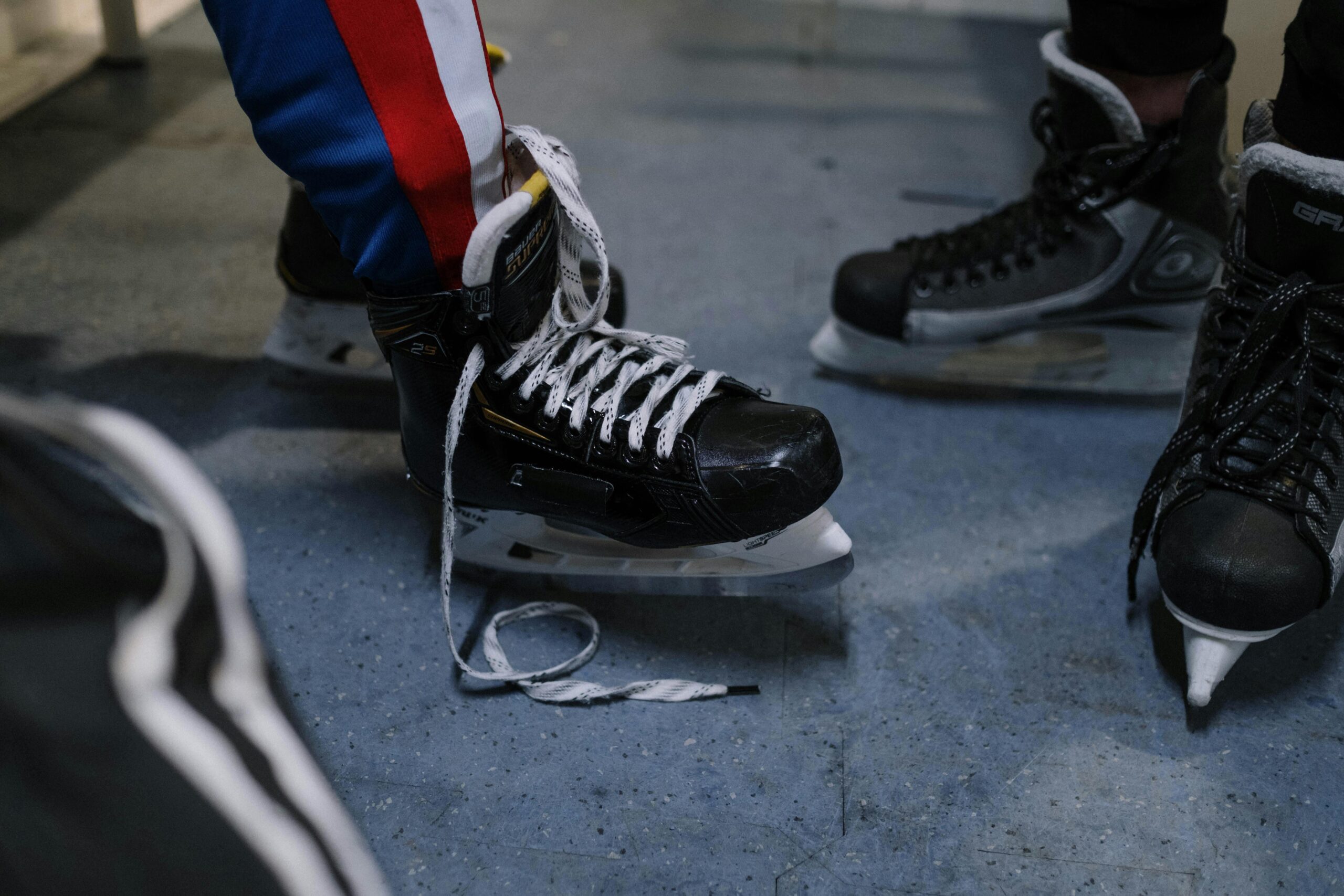
How to Choose Youth Hockey Skates: A Beginner Parent Guide
Choosing hockey skates is one of the most important decisions parents make when their child is starting youth hockey. Skates affect balance, confidence, and safety more than almost any other piece of equipment.
For beginners, the goal isn’t finding the “best” or most advanced skates. It’s understanding how to choose youth hockey skates that fit properly, feel comfortable, and support learning on the ice. When skates are right, kids progress faster. When they’re wrong, frustration follows quickly.
If you’re unsure what equipment is actually required, this guide breaks down what hockey gear kids actually need before you buy anything.
Why Hockey Skates Matter So Much for Beginners
Skates are the foundation of everything a hockey player does. Before kids can pass, shoot, or stop confidently, they need to feel stable standing and moving on the ice.
Well-chosen skates help beginners:
- Maintain balance
- Learn proper skating posture
- Feel more confident during falls and recoveries
- Focus on learning instead of discomfort
Poorly chosen skates can make hockey feel much harder than it needs to be.
For official safety guidance, USA Hockey provides helpful equipment standards.
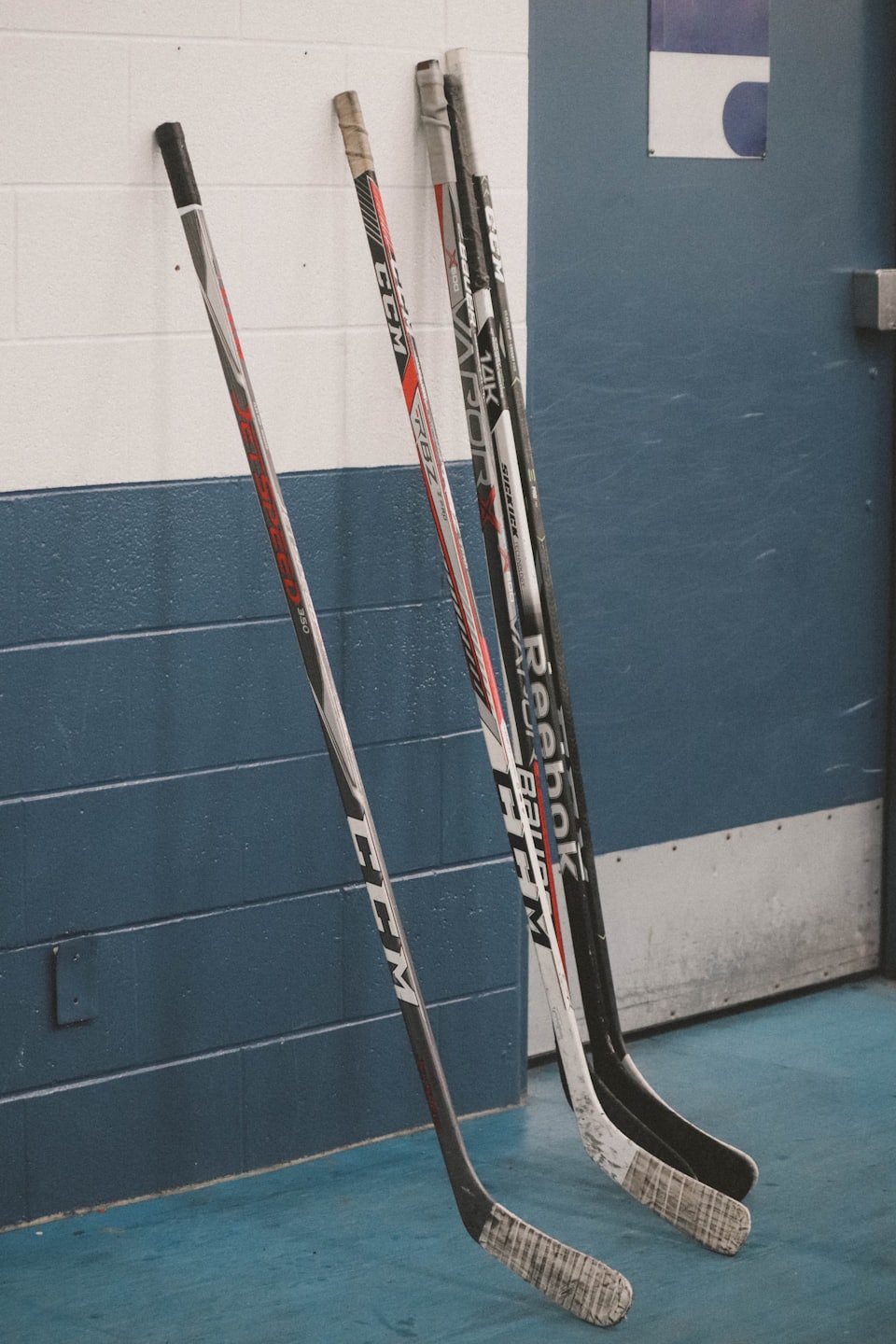
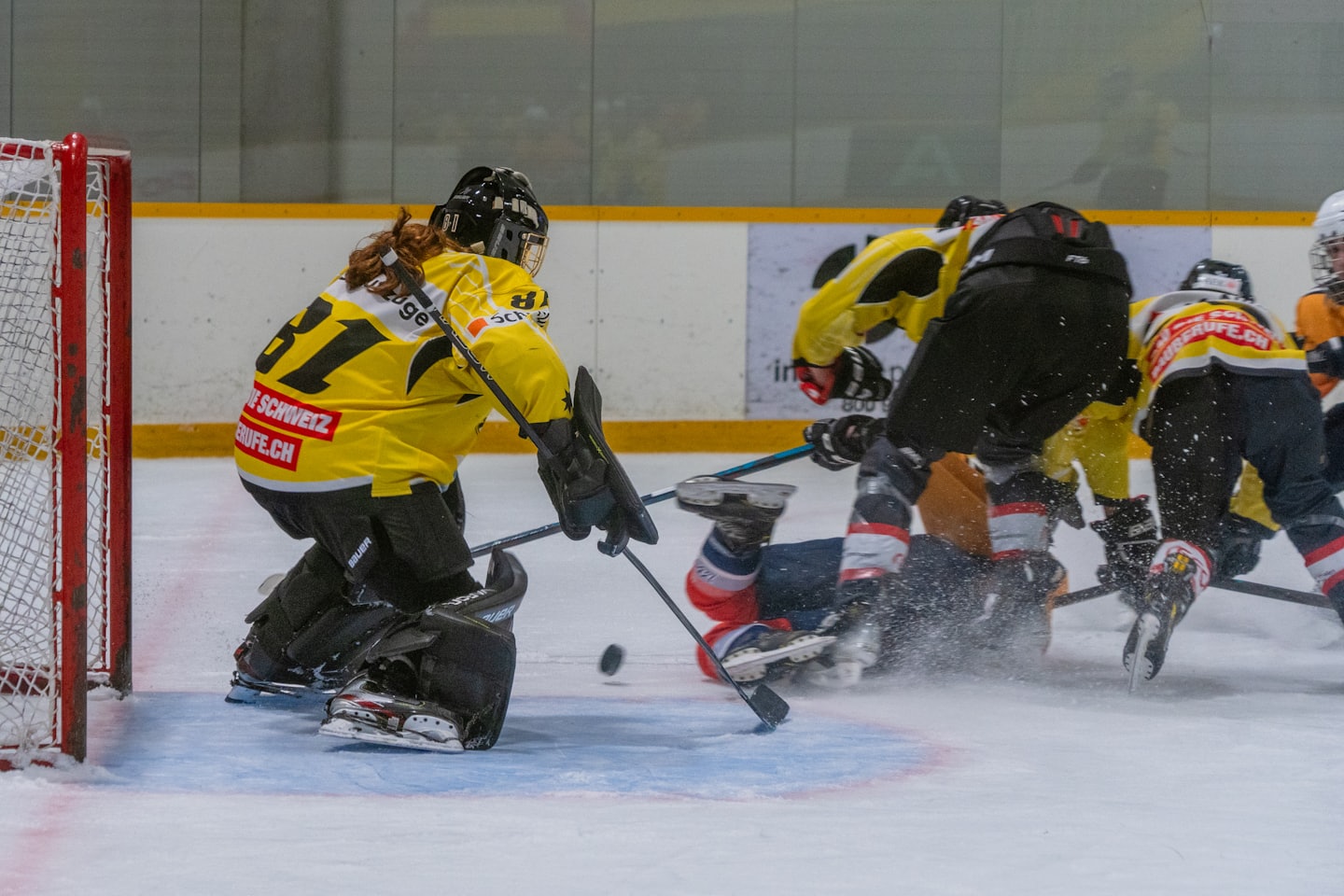
How to Choose Youth Hockey Skates: Fit Comes First
The most important factor when choosing youth hockey skates is fit. More than brand, price, or appearance, fit determines how skates perform for a beginner.
A properly fitting skate should:
- Hold the heel securely in place
- Feel snug through the foot
- Allow toes to lightly brush the front of the skate
- Avoid sharp pressure points or numbness
Skates that are too loose reduce control and stability. Skates that are too tight cause pain and distraction.
For beginners, snug and supportive beats loose and “room to grow.”
If you want a visual reference, PureHockey.com offers a youth skate sizing guide.
Why Buying Skates “To Grow Into” Causes Problems
Many parents buy skates a size or two too large hoping to avoid replacing them quickly. While understandable, this often backfires.
Oversized skates can:
- Reduce balance and edge control
- Make stopping and turning harder
- Increase falls and frustration
- Slow overall skill development
Kids typically learn faster—and enjoy hockey more—when their skates fit correctly, even if that means replacing them sooner.
What Beginner Skates Should Feel Like
Beginner hockey skates should feel supportive right away. They do not need a long break-in period.
Parents should look for skates that:
- Feel comfortable when first worn
- Offer ankle support without stiffness
- Allow natural knee bend and movement
If a child complains of pain, pinching, or numbness after a few minutes, the fit likely isn’t right.
Understanding Ankle Support for Beginners
Ankle support is important, but more isn’t always better.
For beginners:
- Moderate support helps with balance
- Extremely stiff skates can make movement harder
- Comfort matters more than advanced materials
Entry-level youth skates are usually designed with beginner needs in mind and are often the right choice.
Understanding Ankle Support for Beginners
Ankle support is important, but more isn’t always better.
For beginners:
- Moderate support helps with balance
- Extremely stiff skates can make movement harder
- Comfort matters more than advanced materials
Entry‑level youth skates are designed with beginner needs in mind and are often the right choice.
Should You Bake Youth Hockey Skates?
Many parents hear about “baking” skates and wonder if beginners need it.
Here’s the simple answer:
- Most entry‑level youth skates should NOT be baked
- Baking is mainly for mid‑range and elite skates
- If a store recommends baking, ask whether the model is heat‑moldable
If you’re unsure, ask a shop tech — or skip it. Beginners don’t need baked skates.
Sharpening: What Parents Should Know
New skates must be sharpened before use.
For beginners:
- A standard sharpening (½” or 5/8″) is perfect
- Avoid specialty hollows — they’re unnecessary early on
- Sharpen skates every 8–10 hours of ice time
Dull skates make learning much harder.
Socks, Lacing, and Comfort Tips
Small details make a big difference.
Socks: Thin, moisture‑wicking socks help skates fit properly. Thick socks reduce control.
Lacing: Skates should be snug at the ankle and mid‑foot, slightly looser at the toes.
Comfort: If your child’s heel lifts, the skate is too big. If their toes curl, the skate is too small.
How Often Skates Should Be Checked or Replaced
Children’s feet grow quickly, especially in the early years of hockey.
Parents should:
- Check skate fit at least once per season
- Watch for complaints of tightness or numbness
- Look for reduced control or discomfort on the ice
Signs it may be time to replace skates include:
- Toes pressing painfully against the front
- Red marks or blisters
- Difficulty skating that wasn’t present before
When to Upgrade Hockey Skates
Beginner skates are usually sufficient for the first season or two. Upgrading should be based on need, not pressure.
Consider upgrading when:
- Skills improve significantly
- Ice time increases
- The child outgrows their current skates
- Coaches recommend additional support
Until then, basic skates that fit well are more than enough.
Common Skate Mistakes Parents Make
New hockey parents often run into the same issues:
- Buying skates that are too large
- Choosing price or brand over fit
- Assuming expensive skates improve performance
- Skipping professional fitting when available
- Using thick socks to “fix” a loose skate
- Forgetting to sharpen new skates
Avoiding these mistakes makes the learning process smoother for both parents and kids.
How Skate Choice Fits Into the Bigger Gear Picture
Skates don’t exist in isolation. They work together with properly fitting pads, socks, and protective gear.
If you’re unsure how everything fits together, our Youth Hockey Gear Checklist for Beginners provides a clear overview of required equipment and how it should work as a system.
Final Thoughts for Parents
Learning how to choose youth hockey skates doesn’t require expert knowledge — just a focus on fit, comfort, and beginner needs.
Skates that fit properly:
- Build confidence
- Improve learning
- Make hockey more enjoyable
Start simple, prioritize fit, and remember that the “right” skates for beginners are the ones that help your child feel stable and comfortable on the ice.
Youth Hockey Skates FAQ
Should hockey skates fit tighter than regular shoes?
Yes. Hockey skates should fit snugly without causing pain or numbness.
Are expensive skates better for beginners?
Not usually. Fit and comfort matter far more than price at the beginner level.
How long do beginner hockey skates last?
Often one season, sometimes longer, depending on growth and usage.