
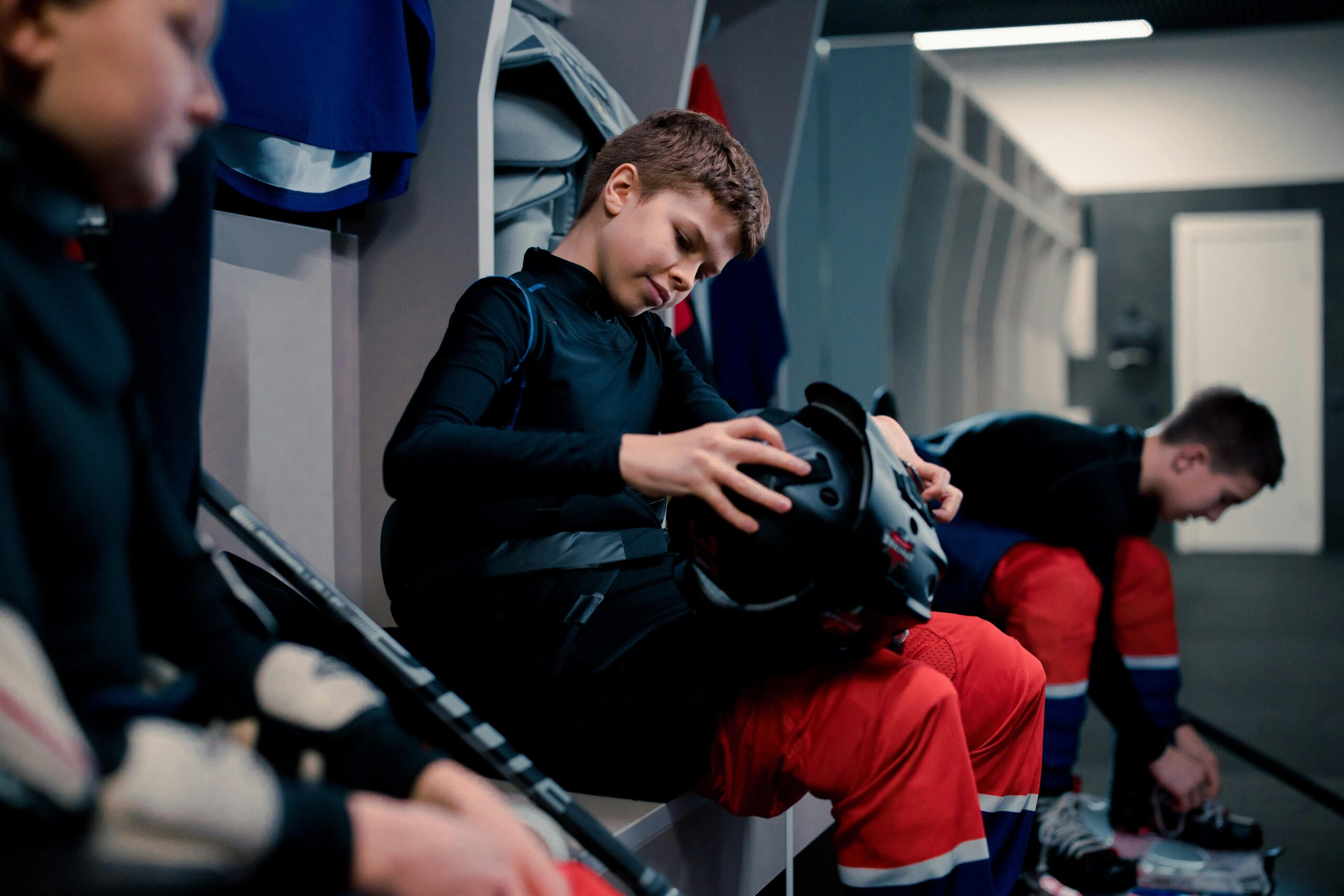
Beginner Hockey Gear Explained for Parents
A complete, plain‑language guide to every piece of youth hockey equipment
If you’re a parent new to youth hockey, the gear can feel overwhelming fast. Helmets, pads, skates, sticks — all with different sizing systems, price ranges, and features that don’t always make sense if you didn’t grow up playing hockey yourself.
This guide slows everything down and explains beginner hockey gear in clear, simple terms. You’ll learn what each piece does, why it matters, and how to make smart, safe choices for your child without overspending or overthinking.
If you’re looking for a quick list of what to buy, start with our Youth Hockey Gear Checklist for Beginners
This article focuses on understanding the gear — not just listing it.
How to Think About Hockey Gear as a Parent
Before diving into individual items, it helps to reframe how to think about youth hockey gear. For beginners, gear exists to:
- Protect your child
- Help them feel comfortable while learning
- Build confidence on the ice
What it does NOT need to do at this stage:
- Maximize performance
- Match professional equipment
- Include advanced features
Understanding this makes every buying decision easier.
What Every Beginner Needs (High‑Level Overview)
Beginner players typically need:
- Helmet with cage
- Skates
- Shoulder pads
- Elbow pads
- Gloves
- Shin guards
- Protective shorts (jock/jill)
- Stick
- Hockey socks + jersey
Each piece plays a specific role in safety and confidence. Below, you’ll find a simple explanation of what each item does and what parents should look for.
Helmets: Safety Comes First
A hockey helmet protects your child’s head from falls, collisions, and accidental contact with sticks or pucks.
What Parents Should Know
- Youth helmets must be HECC certified
- Helmets should fit snugly without wobbling
- Most youth leagues require a full cage or face mask
- A helmet that slides or rocks cannot protect properly
For deeper fit guidance, see our article on how youth hockey gear should fit.
Skates: Comfort and Stability Matter Most
Skates are often the most stressful purchase for parents because sizing differs from regular shoes.
Beginner Skate Basics
- Skates should fit snugly but not painfully tight
- Avoid buying skates “to grow into”
- Good ankle support helps beginners feel stable
- Expensive skates don’t help kids learn faster — comfortable skates do
If you want more details on sizing and fit, check out this skate fit guide on PureHockey.com.
Shoulder Pads: Protection Without Bulk
Shoulder pads protect the chest, shoulders, and upper spine.
For beginners:
- Lightweight pads are usually best
- Full coverage matters more than thickness
- Mobility helps kids learn skating and balance
Overly bulky pads can restrict movement and make learning harder.
Elbow Pads: Confidence for Falls
Beginner players fall often — it’s part of learning.
Elbow pads:
- Protect joints during falls
- Reduce fear of hitting the ice
- Help kids focus on skating instead of avoiding mistakes
Pads should stay in place when arms bend and straighten.
Gloves: Protection and Control
Hockey gloves protect hands, wrists, and fingers while allowing kids to hold the stick properly.
Beginner gloves should:
- Be flexible
- Allow easy grip
- Cover the wrist fully
Stiff gloves can make learning basic stick handling more difficult.
Shin Guards: One of the Most Important Fits
Shin guards protect the knees and lower legs, which are common contact points with pucks, sticks, and the ice.
Proper fitting Shin Guards requirements:
- Knee centered in the knee cup
- Guard reaches the top of the skate
- No slipping when moving
Ill‑fitting shin guards are one of the most common beginner gear issues. For more details, check out this shin guard sizing guide on HockeyMonkey.com.
Protective Pants (Jock or Jill): Often Overlooked, Always Important
Protective shorts help protect:
- Hips
- Tailbone
- Groin area
Most youth leagues require a jock (boys) or jill (girls) with built-in protection.
These also help hold other gear in place, improving overall fit.
Sticks: Keep It Simple
Hockey sticks can get complicated quickly — but beginners don’t need complexity.
Proper Stick Basics:
- Correct height
- Lightweight feel
- Basic flex
Advanced curves and materials won’t improve beginner performance and often increase cost unnecessarily.
Socks and Jerseys: Functional, Not Fancy
Hockey socks and practice jerseys help keep gear secure and are usually required.
They don’t need to be expensive or specialized — just properly sized and comfortable.
New vs. Used Gear: What’s Safe to Buy?
Many parents save money by buying used gear. Some items are perfectly fine second‑hand, while others should always be purchased new.
Safe to Buy Used
- Shoulder pads
- Elbow pads
- Shin guards
- Gloves
- Sticks
- Pants
Buy New for Safety Reasons
- Helmets
- Skates (unless lightly used and properly fitted)
- Jock/Jill shorts
Used gear is great for budgets — just avoid anything that compromises safety.
How Much Should Beginner Gear Cost?
Beginner gear doesn’t need to be expensive. Most families fall into one of these ranges:
- Budget setup: $150–$250 (mix of used + entry‑level new)
- Mid‑range setup: $300–$450
- Full new setup: $500–$700
The biggest variable is skates. Everything else is relatively affordable at the beginner level.
Take a look at our list of affordable youth hockey gear for beginners.
How to Shop for Hockey Gear (In‑Store vs. Online)
In‑Store Advantages
- Staff can help with sizing
- You can check fit immediately
- Great for helmets and skates
Online Advantages
- Better prices
- More selection
- Easy to compare brands
Most parents do a mix: buy helmets/skates in person, then fill in the rest online.
What Beginners Don’t Need Right Away
Parents are often pressured to buy more gear than necessary.
Beginner players typically do not need:
- Pro-level sticks
- Custom skates
- Advanced padding upgrades
- Multiple gear sets
Starting with the basics is not “cutting corners” — it’s smart.
If you’re unsure what equipment is actually required, this guide breaks down what hockey gear kids actually need before you buy anything.
How Gear Works Together as a System
Beginner gear is designed to overlap slightly so there are no gaps in protection.
When everything fits correctly:
- Shoulder pads meet elbow pads
- Shin guards meet skates
- Gloves cover the wrist
- Helmet cage aligns with shoulder pads
If you want a clear buying reference, the Youth Hockey Gear Checklist for Beginners pulls everything together in one place.
When to Upgrade Gear
Most kids outgrow gear before they wear it out.
Upgrade Youth Hockey Gear When:
- Skates feel tight or cause pain
- Shoulder pads or shin guards leave gaps
- Gloves expose the wrist
- Helmet no longer fits snugly
Skill‑based upgrades come later — usually after a year or two of consistent play.
Final Thoughts for Parents
Youth hockey should be fun, confidence‑building, and safe. You don’t need to be an expert to make good gear decisions — you just need clear information and trusted guidance.
That’s what RinkBuddies is here to provide.
If you want a simple buying reference, the Youth Hockey Gear Checklist for Beginners pulls everything together in one place.
Beginner Hockey Gear FAQ
Q: Do beginners need expensive hockey gear?
No. Beginner players do best with properly fitting, entry-level gear focused on safety and comfort.
Q: Is it okay to buy used gear for beginners?
Some used gear can be fine, but helmets and protective items should always meet safety standards.
Q: What’s the biggest mistake parents make with hockey gear?
Buying oversized gear to “grow into” and overpaying for advanced features.
Q: Where should parents start when buying hockey gear?
Start with a clear checklist and learn what each piece does before purchasing.