
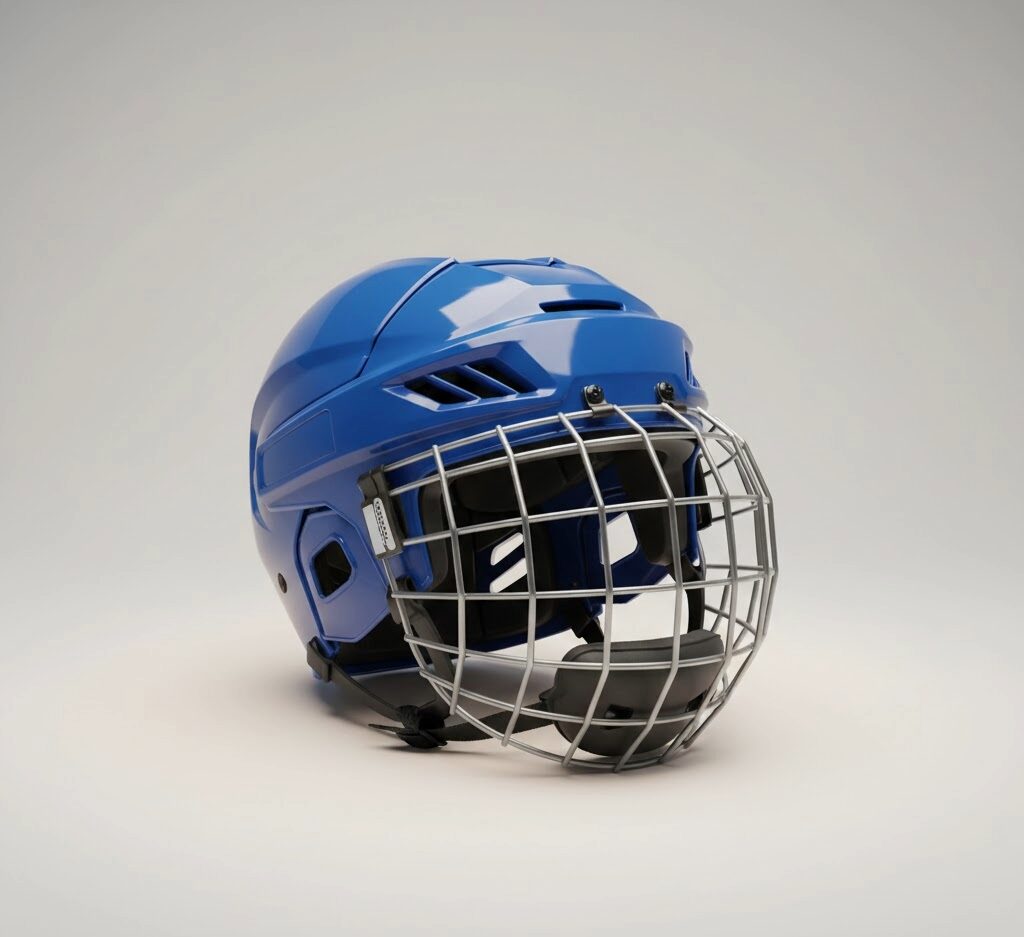
Hockey Helmets for Kids: A Parent’s Guide to Fit and Safety
A hockey helmet is the most important piece of protective gear your child will wear. It protects against falls, collisions, and accidental contact with sticks or pucks. For new hockey parents, choosing the right helmet can feel confusing — sizing systems vary, cages look different, and safety certifications aren’t always clear. For a full breakdown of what gear your child needs beyond the helmet, see What Hockey Gear Do Kids Actually Need?
This guide explains everything you need to know about hockey helmets for kids, including how to size them, what features matter, how to check the fit, and which mistakes to avoid. The goal is simple: help you choose a helmet that keeps your child safe, comfortable, and confident on the ice. If you’re building a full starter setup, compare this with Beginner Hockey Gear Explained for Parents.
Why Helmet Fit Matters More Than Anything
A properly fitted helmet protects your child’s head by absorbing and dispersing impact. A helmet that is too loose or too tight can reduce protection and make skating uncomfortable.
A good youth hockey helmet should:
- Fit snugly without pressure points
- Stay centered on the head without shifting
- Keep the cage aligned with the chin
- Feel comfortable enough for long practices
Protection always comes from fit first, not price or brand. For a deeper look at how fit affects safety across all gear, visit Proper Fit for Youth Hockey Gear: Why It Matters for Safety.
Safety Certifications Parents Should Look For
HECC Certification
HECC (Hockey Equipment Certification Council) is the primary certification required by most U.S. youth hockey leagues. A HECC‑certified helmet has passed impact, durability, and retention‑system tests designed specifically for hockey.
What HECC certification guarantees:
- The helmet can withstand repeated impacts from falls, collisions, and incidental stick contact.
- The cage or shield meets visibility and impact‑resistance standards.
- The chin strap and adjustment system stay secure under force.
- The helmet has been tested for both high‑energy and low‑energy impacts (important for kids).
Expiration:
HECC helmets expire 6.5 years from the date of manufacture. This is printed on a sticker inside the helmet.
Once expired, leagues will not allow the helmet on the ice — and the protective foam may no longer perform as intended.
Why it matters for parents:
HECC is the baseline. If a helmet isn’t HECC‑certified, it should not be used for youth hockey, even for practice.
CSA Certification (Canadian Standard, Accepted in Many U.S. Leagues)
CSA (Canadian Standards Association) certification is required for all hockey played in Canada and is widely accepted in U.S. leagues as well.
What CSA certification guarantees:
- The helmet meets strict Canadian impact‑absorption standards.
- The cage spacing is safe for youth faces and teeth.
- The helmet materials resist cracking in cold temperatures (important for ice rinks).
- The helmet passes rotational‑impact testing in addition to linear impacts.
Why it matters for parents:
CSA certification is often considered slightly more rigorous in cold‑temperature durability and cage safety. Many helmets carry both HECC and CSA certifications.
Expiration Dates
Helmets have expiration dates — usually 6.5 years from manufacture. Check the sticker inside the helmet. A helmet that is expired, cracked, or has damaged padding should be replaced immediately.
- Fail to absorb impact properly
- Have compressed or hardened foam
- Be rejected by referees during equipment checks
- Put your child at higher risk of injury
This is why buying used helmets is risky unless you can verify the date and condition.
Helmet Construction and What It Means for Safety
Shell
The outer shell is made from high‑density plastic designed to disperse impact.
What to Look for in a Helmet:
- Even, smooth construction
- No cracks or soft spots
- Adjustable side clips that lock securely
Liner
The liner absorbs impact.
Youth helmets typically use:
- Dual‑density foam (most common)
- Multi‑density foam (higher‑end models)
- EPP foam (lightweight, durable)
More expensive helmets often have more advanced liner systems, but fit still matters more than materials.
Adjustment System
Youth helmets come in two types:
- Tool‑less adjustment: Easy for parents; adjusts quickly
- Screw‑based adjustment: More secure but less convenient
Both are safe when fitted correctly.
How to Size a Hockey Helmet for Kids
Helmet sizing is based on head circumference, not age.
Mobile‑Friendly Sizing Table
| Size | Head Circumference (inches) | Typical Age |
|---|---|---|
| Youth | 19.0 – 21.0 | 4–8 |
| Junior | 20.0 – 22.5 | 7–12 |
| Small Junior | 20.0 – 21.5 | 6–10 |
| Senior Small | 21.5 – 23.0 | 12+ |
Note: Always measure your child’s head with a soft tape measure around the widest part (just above the eyebrows).
How a Helmet Should Fit (Step‑by‑Step)
1. Snug, Not Tight
The helmet should feel snug all around the head. If you can slide a finger between the padding and the head, it’s too loose.
2. No Shifting
Have your child shake their head side to side and up and down. The helmet should not wobble or slide.
3. Cage Alignment
The chin should sit comfortably in the chin cup, centered and secure. The cage should not press into the cheeks or sit too low.
4. Eyebrow Rule
The helmet should sit one finger above the eyebrows. Too high = unsafe. Too low = obstructed vision.
5. Even Pressure
There should be no pressure points on the temples or forehead.
For a full gear‑fit walkthrough, see Youth Hockey Gear Checklist for Beginners (A Parent’s Guide).
Choosing the Right Cage or Face Mask
Most youth leagues require a full cage or full shield.
Cages come in two main materials:
Steel Cage
- Most common
- Durable and affordable
- Slightly heavier
Titanium Cage
- Lighter and stronger
- More expensive
- Better visibility
Full Shield (Visor)
- Clear plastic
- Great visibility
- Can fog or scratch
- Less common for younger kids
For beginners, a steel cage is usually the best balance of safety, durability, and cost.
Chin Cup Fit and Why It Matters
The chin cup keeps the cage aligned and prevents the helmet from shifting.
A proper chin cup fit:
- Holds the chin securely
- Does not pinch or rub
- Keeps the cage centered
If the chin cup sits too low or too high, the helmet size or cage adjustment is incorrect.
Common Mistakes Parents Make
- Buying a helmet that’s too big to “grow into”
- Ignoring the expiration date
- Choosing based on brand instead of fit
- Not tightening the side straps
- Using a secondhand helmet with unknown history
- Letting the cage sit too low or too high
A helmet that fits now is always safer than one that might fit later.
When to Replace a Helmet
Replace your child’s helmet if:
- It is expired
- The shell is cracked
- The padding is loose or compressed
- The cage is bent
- The helmet has taken a major impact
- Your child has outgrown it
Helmets are not designed to last forever — especially for growing kids.
Maintenance and Care
- Wipe the helmet dry after each use
- Do not leave it in a hot car
- Check screws and clips regularly
- Replace worn chin straps or padding
- Wash cage and chin cup with mild soap
Proper care extends the life of the helmet and keeps it safe.
Budget‑Friendly Options
Entry‑Level Helmets
Entry‑level helmets are designed specifically for young or beginner players who need reliable protection without the advanced features found in higher‑priced models. These helmets use durable plastic shells and dual‑density foam liners that meet all required safety certifications. They often include simple adjustment systems that make it easy to get a snug fit.
Parents choose entry‑level helmets because they offer:
- Parents choose entry‑level helmets because they offer:
- Full safety certification at the lowest price point
- Straightforward sizing that works well for growing kids
- Comfortable padding that breaks in quickly
- Reliable protection for recreational and early‑stage competitive play
They are ideal for: - First‑year players
- Kids who are still growing rapidly
- Families buying multiple pieces of gear at once
- Players who skate 1–2 times per week
The main tradeoff is that they may feel slightly heavier or less ventilated than mid‑range or high‑end models, but the protection is still excellent when the fit is correct.
Mid‑Range Helmets
Mid‑range helmets are a step up in comfort and performance while still staying budget‑friendly. They use improved liner materials, better ventilation, and more refined adjustment systems. These helmets often feel lighter and more comfortable during longer practices.
Parents choose mid‑range helmets because they offer:
- Better impact‑absorbing liners for added comfort
- Improved ventilation to reduce heat buildup
- More precise adjustment systems for a dialed‑in fit
- Longer lifespan due to higher‑quality materials
They are ideal for:
- Kids skating 2–4 times per week
- Players who dislike the feel of basic helmets
- Families who want a balance of comfort and value
- Children who are sensitive to pressure points or heat
The tradeoff is cost — they’re more expensive than entry‑level models — but they often last longer and feel better for kids who spend more time on the ice.
High‑End Helmets
High‑end helmets use advanced liner technologies, multi‑layer impact systems, and lightweight materials. They are designed for maximum comfort and protection, especially for older or more competitive players.
Parents choose high‑end helmets because they offer:
- Premium comfort with multi‑density or fluid‑filled liners
- Lightweight shells that reduce fatigue
- Advanced impact management for repeated contact
- Superior ventilation for long practices and games
They are ideal for:
- Travel players
- Kids skating 4–6 times per week
- Players who have outgrown youth sizes and need more protection
- Families prioritizing comfort and longevity
The tradeoff is price — but for high‑volume players, the comfort and durability can justify the investment.
Fit is always more important than price.
Used Helmets
Used helmets can be a cost‑effective option only when the helmet is in excellent condition and meets all safety requirements. Parents should be cautious, because helmets degrade over time and may have unseen damage.
Used helmets are acceptable when:
- The expiration date is still valid
- The shell has no cracks or soft spots
- The liner is intact and not compressed
- The cage is not bent
- The adjustment system works properly
They are ideal for:
- Families on a tight budget
- Kids who are growing quickly and may outgrow a helmet mid‑season
- Situations where the helmet’s history is known (e.g., hand‑me‑down from a sibling)
The tradeoff is uncertainty — you must inspect the helmet carefully, and you should never buy a used helmet with unknown history or visible damage.
The Right Youth Helmet
A hockey helmet is the most important piece of protective gear your child will wear. When you understand how to choose the right size, fit, cage, and safety features, you give your child the confidence to skate, learn, and enjoy the game safely.
A well‑fitted helmet should feel like a natural part of their gear — secure, comfortable, and protective. With the right helmet, your child is ready to step on the ice with confidence and focus on having fun. To complete your child’s setup, explore Choose Protective Hockey Gear and Best Youth Hockey Skates in 2026.